
When it comes to lice, misinformation abounds.
Here are the 14 essential things to know.
Lice don’t carry disease. Yes, they feed on your blood, cause severe itching, and proliferate rapidly, but they don’t cause illness.
Head lice are entirely different from body lice, pubic lice, or any type of lice that pets carry / spread.
Lice have evolved resistance to the chemicals (permethrin and pyrethrins) found in traditional over-the-counter treatment brands. Read more on our Treat page.
Having lice has nothing to do with cleanliness or hygiene.
African Americans are less susceptible to lice because their hair type is tougher for lice to grasp. (source: CDC)
Schools no longer play much of a role—if any—in preventing lice, so the responsibility falls on parents. Read more on our Advocate page.
Lice don’t jump or fly. They crawl from head to head, which is why wearing hair up or covering with a hat is essential for prevention. Read more on our Prevent page.
By the time you’re itching, you’ve likely had lice for weeks. And some people never have an “itching” reaction to lice.
Nits (eggs) and nymphs (baby lice) are difficult to see. By the time lice reach the adult stage, the infestation may be severe, as adult females can lay 6 eggs per day.
Lice attach firmly to the hair, so if you see something suspicious, blow on the hair. Dandruff and dirt will blow away—lice won’t.
Lice will die within two days off someone’s head, and nits (eggs) won’t hatch if they aren’t on a head.
The lice lifecycle is about 7 weeks (1 week as egg, 1 .5 weeks as nymphs, 4 weeks as reproducing adults). This means that removing all the adult lice isn’t enough. Eggs left behind could retrigger an infestation. This is why it’s important to comb regularly after treatment, and complete a follow-up treatment around 10 days after the first treatment—just in case any eggs were missed the first time around. Read more on our Treat page.
Lice live close to the scalp (so even those with short hair are susceptible) and can often be found at the nape of the neck and behind the ears.
Even if you successfully treat lice, peers can quickly give it back to you, since your body builds no immunity. This is why notifying others of lice is essential for stopping the spread. We can help you send an anonymous notification.
The products we do (and don’t) recommend.
These are the products that we’ve learned—through trial and error and endless research—actually work. This is what we use on our own children. Like you, we prefer products without pesticides.
Kill Lice

-
This has everything you need to treat lice at home. And it works on super lice. With a pleasant scent and no pesticides, this product’s key ingredient (dimethicone) is proven to be safe and effective in treating lice.
No sulfates, parabens, or phthalates.
-
This 4-Step Kit from Lice Queen is a great alternative. Like our #1 pick, the active ingredient is dimethicone (making it effective and pesticide-free) and this includes a high-quality lice comb. Plus, there’s a bonus repel spray included. The downside? It’s a bit pricier than our #1 choice, with a slower turnaround from Amazon.
-
Many over-the-counter products contain the chemicals Permethrin and Pyrethrins, which lice have evolved resistance to. This has created a new strain of drug-resistant “super lice.”
Avoid products with these chemicals, which are also pesticides and neurotoxins. Look for the ingredient dimethicone instead.
Comb Lice Out

-
If you don’t purchase the Lice Elimination Kit (which includes a comb), you’ll need this one. It’s easy to use, and traps both nits and lice in its grooves. A high-quality comb is essential for at-home treatment, and for prevention via weekly comb-throughs.
-
This 2-sided comb from Nix is slightly cheaper and still effective. There are many other brands out there too, and any metal comb specifically designed for lice/nits should get the job done.
-
Do not buy any lice comb that is plastic - it won’t trap the lice/nits effectively. And don’t waste your money on the pricy electric combs that claim to detect and instantly kill lice. They are overpriced and you won’t find any research-backed evidence of their effectiveness.
Repel Lice

-
Every. Single. Morning. That’s how often we spray our kids’ hair with Rosemary Repel. The lovely, natural scent is unappealing to lice.
Prevention only. No sulfates, parabens, or phthalates.
-
We also love this spray from So Cozy and this one from Ladibugs (though it’s pricy). Both use natural scents, just like our #1 pick. The Ladibugs spray can also be combined with a matching shampoo + conditioner.
-
There’s no need to buy a lice-repelling spray that uses harsh chemicals (compared to natural scents like rosemary and peppermint). And while different than repelling sprays, we recommend against most lice-killing sprays that are sold for treatment purposes because it’s difficult to ensure your hair is properly coated with a spray.
Clean After Lice
-
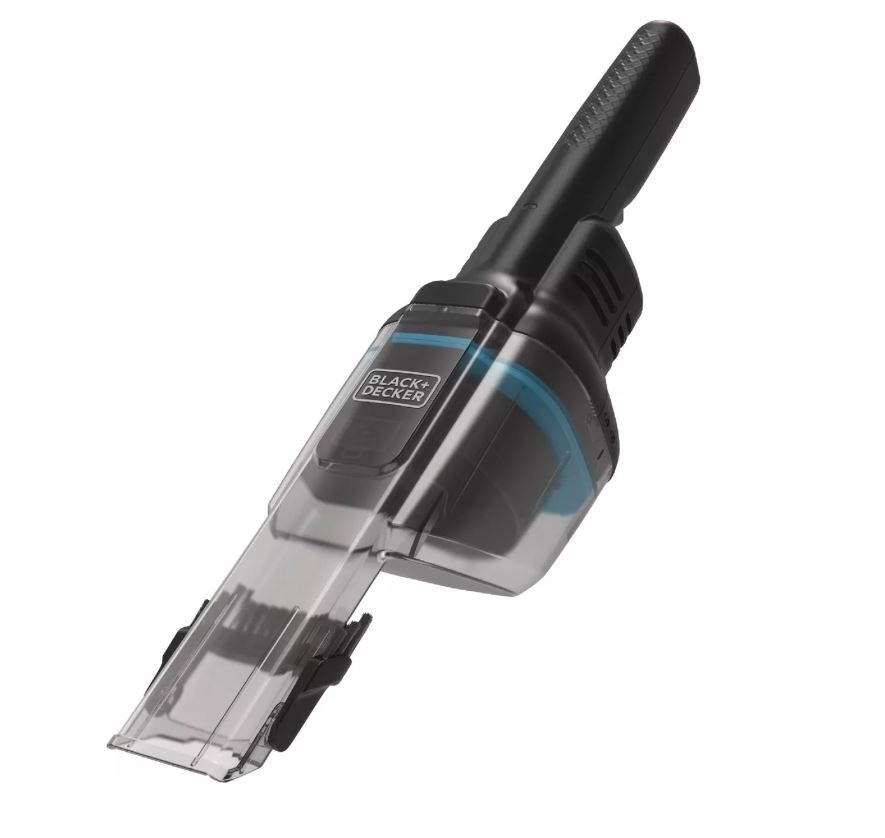
We use this low-cost, handheld vacuum to ensure that lice haven’t hung onto car seats, headboards, etc.
You don’t need to vacuum your whole house, but it’s smart to quickly vacuum the key places that heads touch.
-
If you’re willing to spend a bit more, we love this handheld vacuum from Shark, which is powerful yet sleek.
-
We don’t find it necessary to use a larger, traditional vacuum to clean every inch of your house (learn why on our Treatment page). A handheld vacuum can more easily target the spots that stray lice will most likely be found.
Avoid lice-killing sprays designed for furniture, bedding, etc. Some use chemicals like permethrin that lice have evolved resistance to. A handheld vacuum will always be better than coating your home in a spray.
Keep Hair Up

-
It’s not technically a lice-prevention product, but this makes our mornings much easier. It helps us put—and keep—our kids’ hair up. It’s especially nice for the littlest ones, with their fine hair and fly-aways. Plus, it’s only $5 and one stick lasts (seemingly) forever.
-
This stick from Dolhair works well too, as does anything that gets kids to wear hair up (or covered)—and keep it that way all day.
-
N/A for this one, just a reminder to not wear hair down, as lice spread from hair-to-hair contact.
We feature products that we believe in and use on OUR children. We have no affiliation with these brands, but we may earn a small commission from Amazon—at no extra cost to you—if you purchase via the above links. Your support means a lot and allows us to host this site.